• Shopping Cart Shopping Cart
    0Shopping Cart
Tucson Museum of Art
  • Visit
    • Museum
      • Admissions
      • Accessibility
      • Know Before You Go
      • Download Campus Map / Descargar Mapa del Campus
      • Directions & Parking
      • Contact
    • Shop & Dine
      • The Museum Store
      • Café a la C’art
  • Art
    • Exhibitions
      • Current Exhibitions
      • Upcoming Exhibitions
      • Past Exhibitions
    • Collection
      • Art of the American West
      • Asian Art
      • Contemporary Art
      • Decorative Arts
      • European Art
      • Indigenous Arts
      • Latin American Art
      • Modern Art
      • Search the Collection
      • Collections Management
  • Programs
    • What’s Happening at TMA
    • History Room
    • Lectures
    • Tours
    • Art Camp
    • Community Partnerships
  • Events
    • Ongoing
      • Events Calendar
      • Weddings & Event Rentals
      • Download the Quarterly Calendar
    • Seasonal
      • Artisans Market
      • Dinner à l’Art
      • Gala 2026
  • Support
  • Join
    • Join
      • Membership
      • Business Membership
      • Become a Docent
      • Contemporary Art Society
      • Latin American Art Patrons
      • Western Art Patrons
  • About
    • About TMA
      • Mission & History
      • Centennial
      • Financial Information
      • Strategic Plan
      • Board and Staff
      • Employment Opportunities
      • Initiatives at TMA
      • TMA Stories Blog
      • Press Room
    • Campus Info
      • Creative Space
      • Community Gallery
      • Research Library
      • Historic Block Overview
      • Download Campus Map / Descargar Mapa del Campus
  • Donate
  • EN
  • ES
  • Click to open the search input field Click to open the search input field Search
  • Menu Menu

TMA Stories

A Museum Blog

List List Menu
  • Exhibitions
  • Curators’ Corner
  • Artists’ Voices
  • Community Engagement
  • Explore Artworks
  • Digital Content

Free First Thursday: The Concept of Time

May 6, 2021 | Explore Artworks, TMA Collection

What is time? How can we experience that in art? Was the artist inspired by time? Three TMA curators reflected on the idea of time in artworks belonging to three different collection areas: Latin American, Contemporary, and Indigenous Arts. Coincidentally, two community voice labels on view also talk about time in some form. Can you relate to any of the texts?
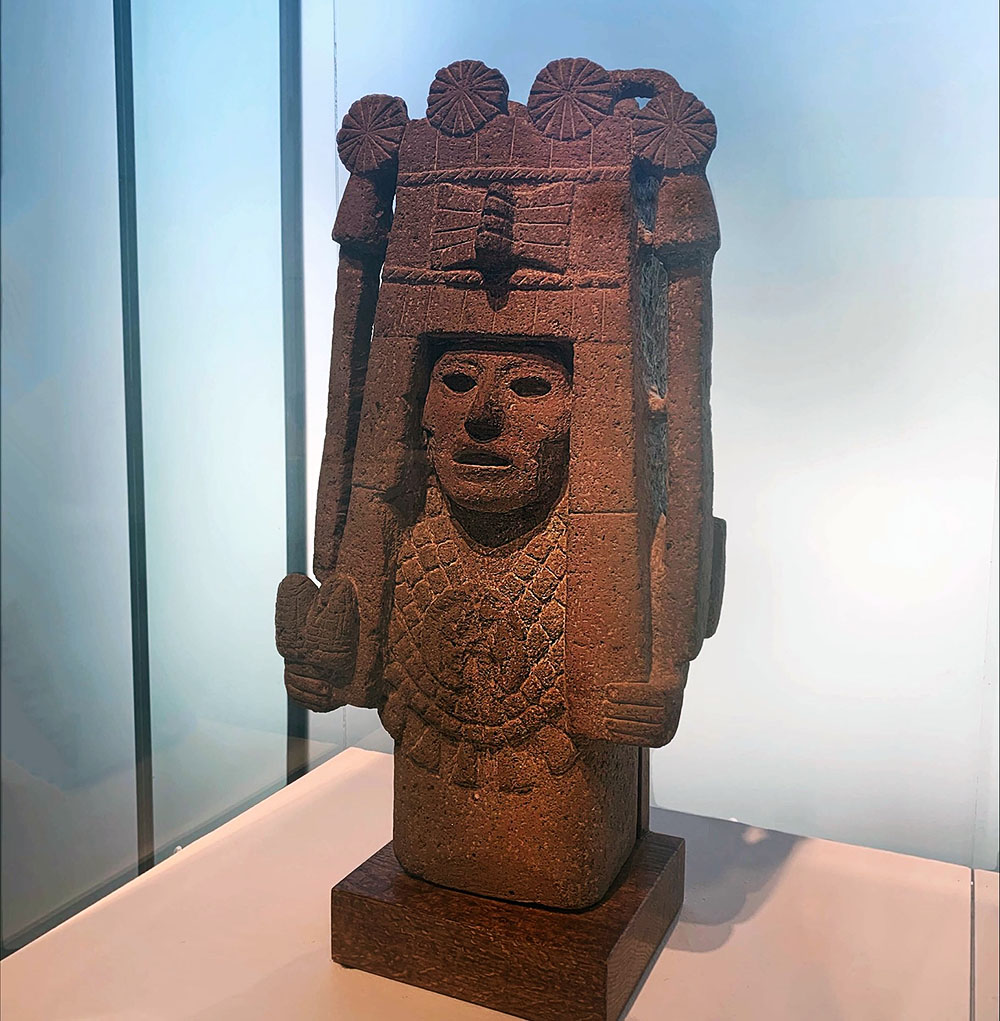
Aztec, Central Mexico, Maize Goddess, volcanic stone, 1400-1520 A.D., Collection of I. Michael and Beth Kasser.

Chicomecóatl diosa del maíz, corn goddess. Bless us in the harvest, feed us in the winter. Bendícenos en la cosecha, aliméntanos en el invierno. The life of the corn is in the Nahuatl culture, compared to that of a woman. Green coverings, still young and later in life the lady with “the old skirt” when the husks are dry and off yellow.

Bardo Padilla, Kasser Family Wing Community Advisory Committee Representative

One of the things that makes a museum such a complex place is that it has a way of folding time, bringing objects from moments deep in history to the time when we encounter them in the gallery today. When we look at a sculpture created in the ancient Aztec empire, we are seeing an object displaced from its moment across 500 years of history. Ancient Mesoamerican peoples thought about these folds in the fabric of time too. In the Aztec world, artists would look back to even deeper times for inspiration – sometimes recreating very old works of art and styles in their own moment. Like many of us, Aztec artists found guidance and models for creativity in art from deep antiquity.

Dr. Kristopher Driggers, Assistant Curator, Schmidt Curator of Latin American Art
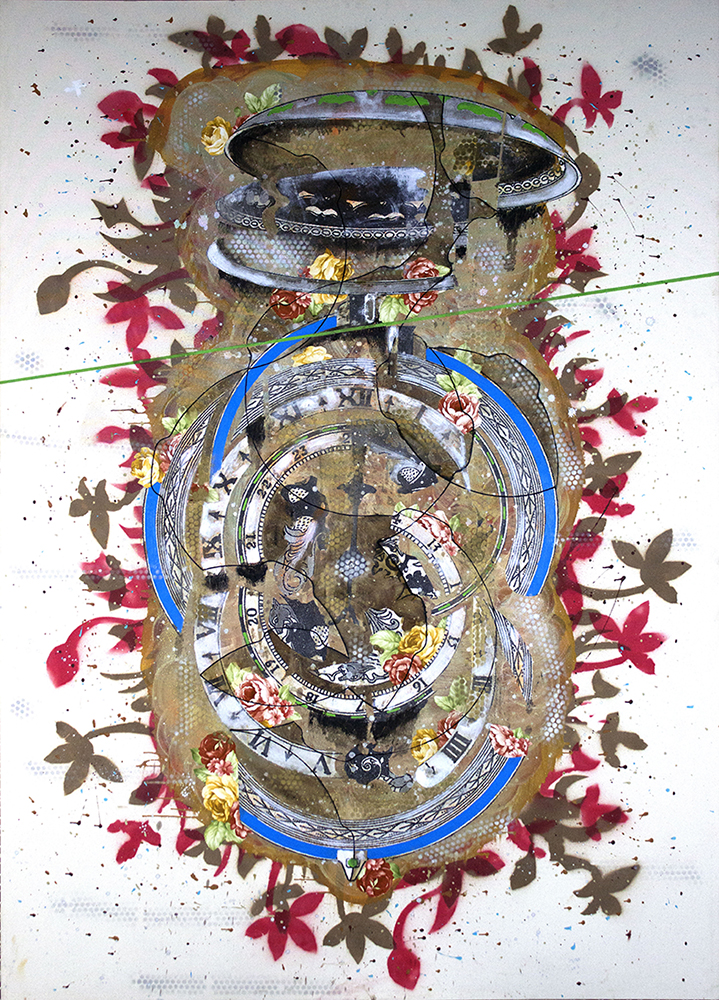
Fausto Fernandez, It’s what you do with time that heals, 2010, mixed media collage on canvas. Collection of the Tucson Museum of Art. Gift of the Artist. 2011.20.1

As a curator, my life is anchored in ideas about time. Every artwork I acquire for the TMA collection or select for an exhibition involves research into the history of the piece, the artist who made it, and the connection it has to art history, as well as to local, national, and world events in its time. A good work of art should be timeless, but the meaning behind it and the context in which it was made helps to make the visual experience an even greater learning experience. I believe that a big part of my job is to bring the past to life through art and to honor artists and art of the present by presenting exhibitions that will become part of our region’s history.

Dr. Julie Sasse, Chief Curator, Curator of Modern and Contemporary Art
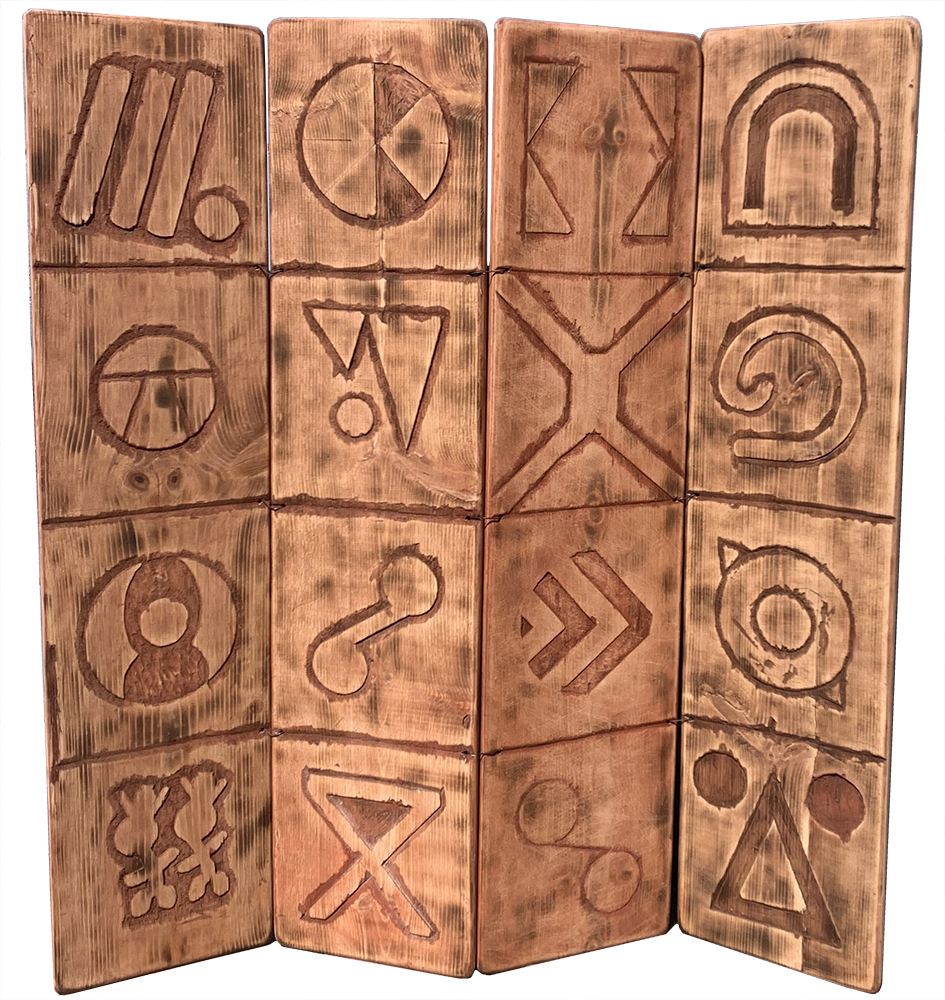
Reuben Naranjo, Taṣ kuint, O’odham Haha’atadkam (Time counter, O’odham potters), 2021, wood and baling wire. On loan from the Artist.

Taṣ kuint, O’odham Haha’atadkam, Time counter, O’odham potters.

“…This work is derived from the ancient O’odham process of recording family, communal, local significant history via calendar sticks. Taṣ Kuint means ‘Time counter or keeper…’
This piece honors early Tohono O’odham potters, women who would travel from the reservation to downtown Tucson to sell their wares…Each part relates to a significant historical newspaper event of their comings and goings including the conflicts that arose because of unwanted Tucson photographers. My hope is to give light and story to their hard work—in O’odham culture being industrious was rewarded with praise terms such as s-wagima uwi or Industrious woman.”

Dr. Reuben Naranjo, Community Curator and Artist
(Label excerpt, to see the full text visit the Indigenous Arts exhibition now on view at TMA)

As a curator, I’ve often considered how the concept of time is present in an exhibition. How do we properly convey points of time from works of art on view and make sense of them from our 2021 perspective? What meanings can change or are lost over time? Artists also look at time and find ways to understand the past and present while conveying relevant ideas. Naranjo’s artistic approach includes extensive research in library and archives to find newspaper stories of O’odham potters printed more than 100 years ago, bringing to light people and events that were long forgotten. From this research, he created his work based from an O’odham calendar stick, or time keeper, that recorded important events for O’odham people. In this way, he looks at the past and uses symbols of the past to convey messages in modern context.

Christine Brindza, Senior Curator, Glasser Curator of Art of the American West

Create

Write

Create a haiku inspired by time. Consider how things move or how time passes, or imagine what it would be to fast forward ahead or rewind backwards to any point in your life. Haikus are three lines that alternate between five syllables (first line), seven syllables (second line), and lastly, five syllables (third line).

This time-inspired haiku was shared by a TMA member:

back then those two hands
would drag hours into days
or was it just me?

Visualize
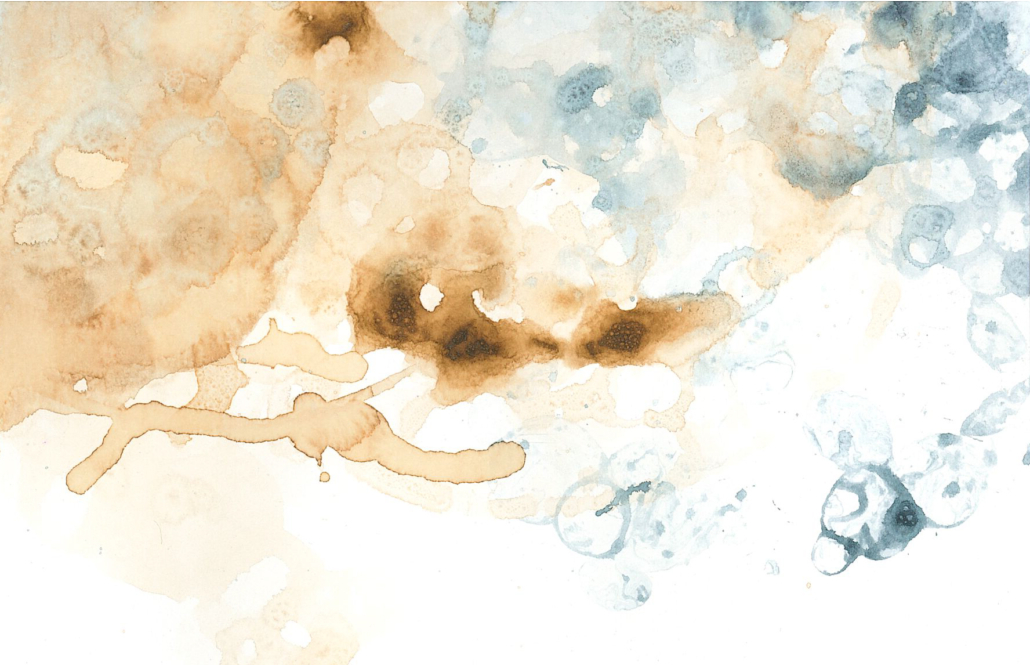
For this month’s art-making prompt, think of time as a theme. How can time be captured in an artwork? One way is through the element of movement. We can see movement in videos; what medium would it be fitting in executing your idea? Artworks can also capture a moment in time or a specific historical event. Are there other ways to view time? How would you interpret time?

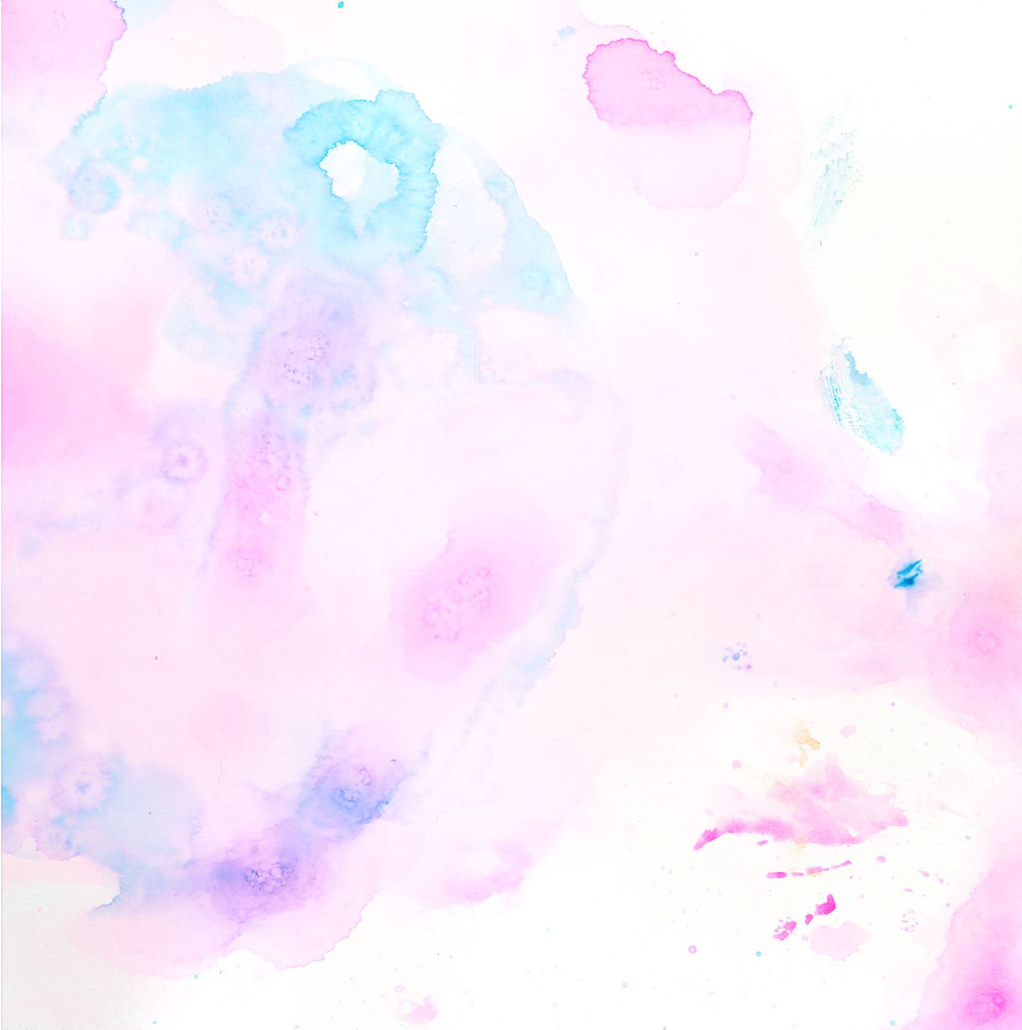
In this art activity, time can be interpreted by the action of bubbles forming and bursting.

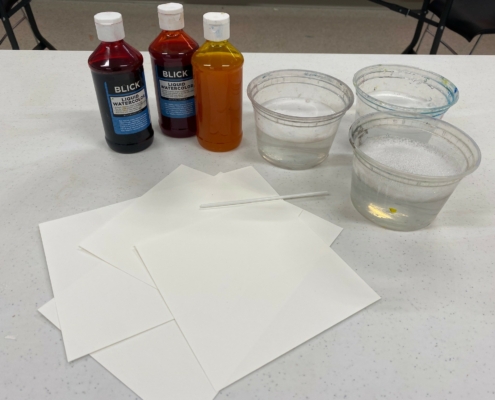
What you’ll need:

  • Water
  • Cups
  • Soap
  • Liquid watercolors (or any other paint)
  • Watercolor paper
  • Straws

1. Gather your materials.

2. Pour paint in soapy water and stir to combine.
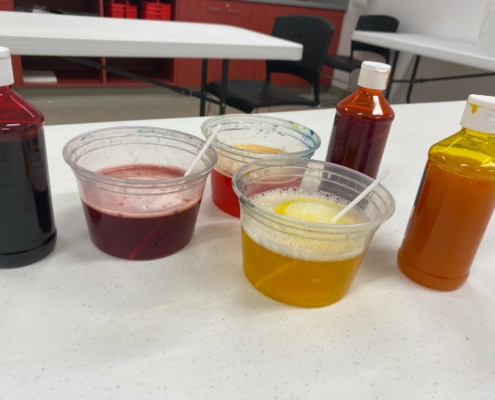
3. Begin blowing bubbles.
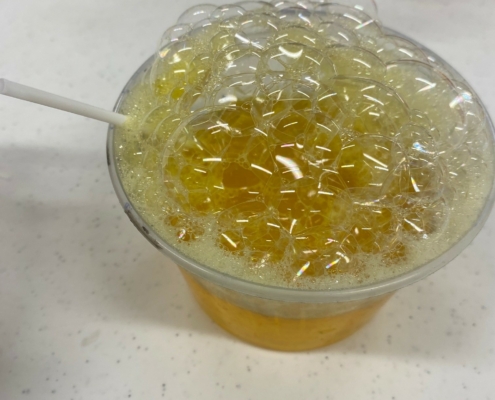
4. When the bubbles look like they will spill over, put a piece of paper on top of the cup.
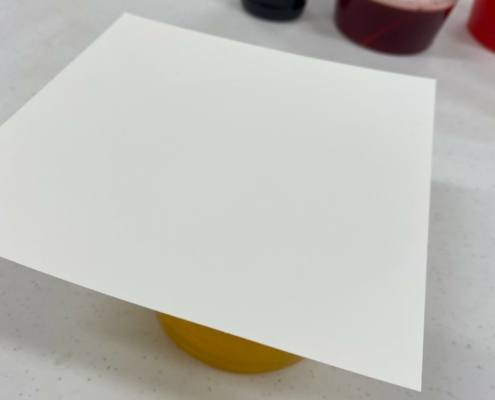
5. Repeat with the same color or layer different colors.
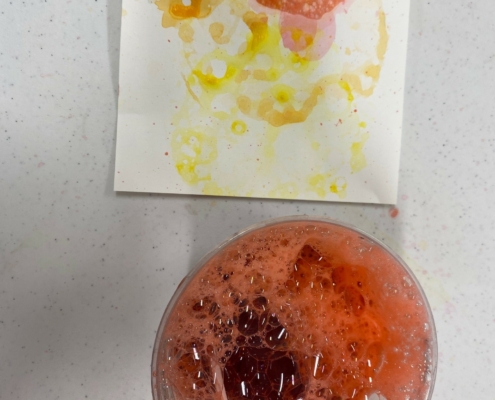
6. Repeat until you achieve the desired saturation of color.
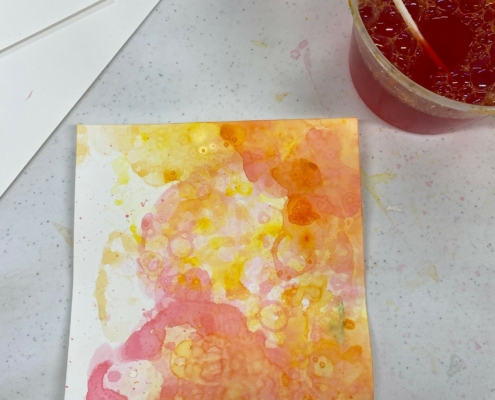
Share your work on social media by using #TMAFreeFirstThursday.
Tags: Free First Thursday, TMA Stories
Search Search

Recent Posts

  • Stories from Clay: Indigenous Art Pottery at the Tucson Museum of Art. Reflections with Collections Research Fellow Gabriella Moreno
  • Flipping the Stats: More Than Seeks Opportunities for Dialogue and Artist Representation
  • Monica Aissa Martinez: Nothing in Stasis – Español
  • Monica Aissa Martinez: Nothing in Stasis
  • The Story of a Painting: José Gil de Castro’s Carlota Caspe y Rodríguez

Archives

  • September 2023
  • December 2022
  • October 2022
  • August 2022
  • July 2022
  • June 2022
  • May 2022
  • April 2022
  • March 2022
  • February 2022
  • January 2022
  • December 2021
  • November 2021
  • October 2021
  • September 2021
  • August 2021
  • July 2021
  • June 2021
  • May 2021
  • April 2021
  • March 2021
  • February 2021
  • January 2021
  • December 2020
  • November 2020
  • October 2020
  • September 2020
  • August 2020
  • July 2020
  • June 2020
  • April 2020
  • September 2019

Categories

  • Acquisitions
  • Artists' Voices
  • Community Engagement
  • Community Voices
  • Curators' Corner
  • Curators' Voices
  • Digital Content
  • Events
  • Exhibitions
  • Explore Artworks
  • TMA Collection
  • TMALearn!

Meta

  • Log in
  • Entries feed
  • Comments feed
  • WordPress.org

Hours

Museum Hours:
Wednesday – Sunday,
10 am – 5 pm

Get Tickets

Information

  • About Us
    • Mission & History
    • Accessibility
    • Notice of Filming & Photography
    • Financial Information
  • Resources
    • Collections Management
    • Community-Based Curation
  • Support
    • Make a Donation

Newsletter

"*" indicates required fields

This field is for validation purposes and should be left unchanged.

Contact

140 North Main Avenue,
Tucson, AZ 85701

520-624-2333
Email Us

Connect

Connect with us on social media and join the TMA conversation.

© Copyright - Tucson Museum of Art and Historic Block - Made by Fulano.
  • Privacy Policy
  • Contact
Link to: Checking in: TMA’s IDEA Plan, Eight Months In Link to: Checking in: TMA’s IDEA Plan, Eight Months In Checking in: TMA’s IDEA Plan, Eight Months In Link to: Second SundAZe Family Day: Exploring Paper Art Link to: Second SundAZe Family Day: Exploring Paper Art Second SundAZe Family Day: Exploring Paper Art
Scroll to top Scroll to top Scroll to top

This site uses cookies. By continuing to browse the site, you are agreeing to our use of cookies.

OKLearn more

Cookie and Privacy Settings


How we use cookies

We may request cookies to be set on your device. We use cookies to let us know when you visit our websites, how you interact with us, to enrich your user experience, and to customize your relationship with our website.

Click on the different category headings to find out more. You can also change some of your preferences. Note that blocking some types of cookies may impact your experience on our websites and the services we are able to offer.

Essential Website Cookies

These cookies are strictly necessary to provide you with services available through our website and to use some of its features.

Because these cookies are strictly necessary to deliver the website, refusing them will have impact how our site functions. You always can block or delete cookies by changing your browser settings and force blocking all cookies on this website. But this will always prompt you to accept/refuse cookies when revisiting our site.

We fully respect if you want to refuse cookies but to avoid asking you again and again kindly allow us to store a cookie for that. You are free to opt out any time or opt in for other cookies to get a better experience. If you refuse cookies we will remove all set cookies in our domain.

We provide you with a list of stored cookies on your computer in our domain so you can check what we stored. Due to security reasons we are not able to show or modify cookies from other domains. You can check these in your browser security settings.

Google Analytics Cookies

These cookies collect information that is used either in aggregate form to help us understand how our website is being used or how effective our marketing campaigns are, or to help us customize our website and application for you in order to enhance your experience.

If you do not want that we track your visit to our site you can disable tracking in your browser here:

Other external services

We also use different external services like Google Webfonts, Google Maps, and external Video providers. Since these providers may collect personal data like your IP address we allow you to block them here. Please be aware that this might heavily reduce the functionality and appearance of our site. Changes will take effect once you reload the page.

Google Webfont Settings:

Google Map Settings:

Google reCaptcha Settings:

Vimeo and Youtube video embeds:

Other cookies

The following cookies are also needed - You can choose if you want to allow them:

Privacy Policy

You can read about our cookies and privacy settings in detail on our Privacy Policy Page.

Privacy Policy
Accept settingsHide notification only